
360 Leadership
Style Report
360 Leadership Style Report
About This Report
This comprehensive feedback report is designed to provide you with a deep understanding of your leadership behaviors and how they are perceived by those you lead. The focus is exclusively on the six primary leadership styles—Directive, Visionary, Affiliative, Participative, Pacesetting, and Coaching, which are the core behaviors used to motivate, develop, and communicate with a team.
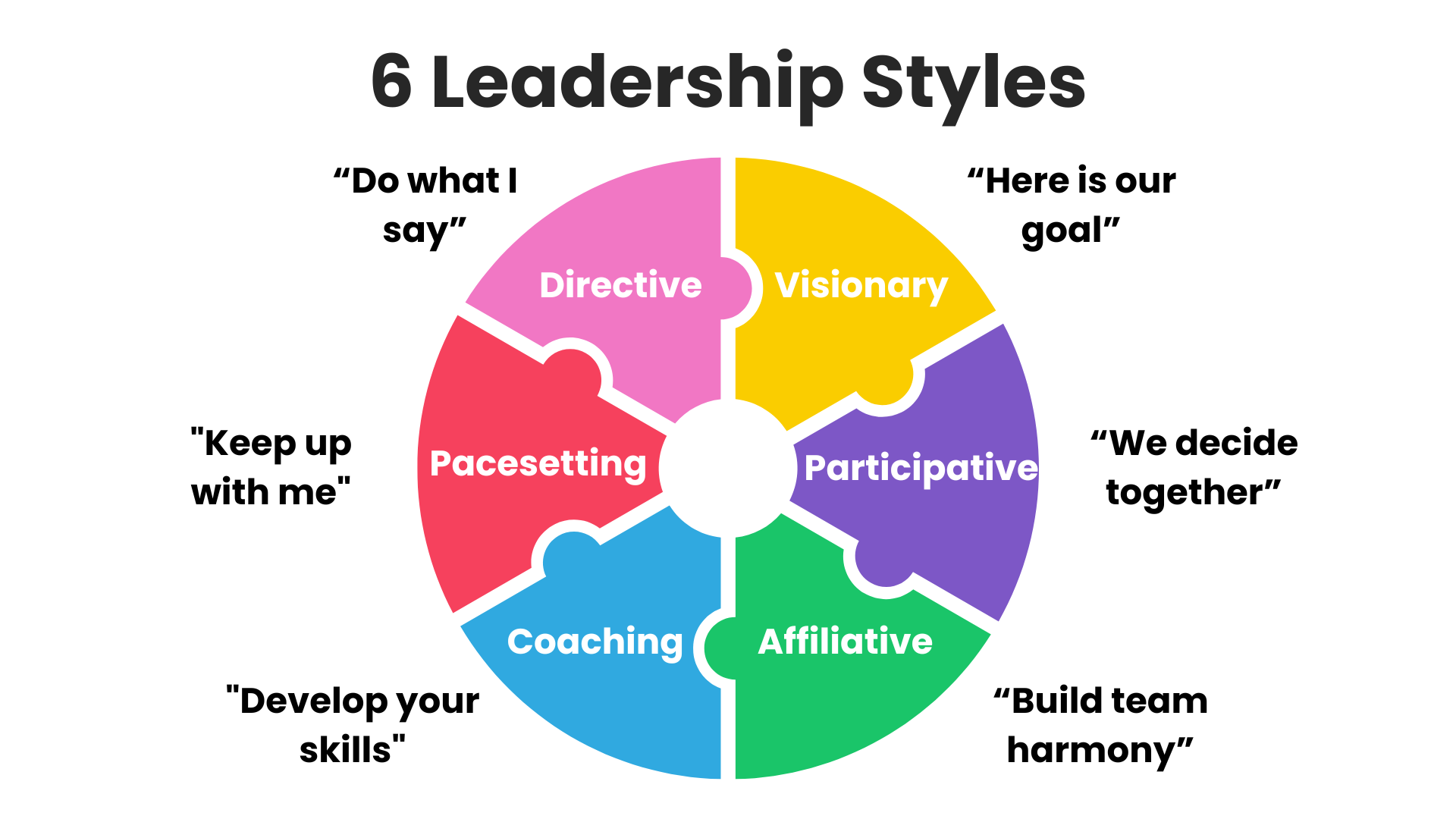
The Nature of Leadership Behavior
Leadership is not a static trait; it is a set of actions and choices. This report is based on the psychological principle that behavior is a dynamic function of both the individual leader (their traits, values, and motivations) and the specific situation they face. Most leaders naturally prefer one or two styles that align with their personal comfort zone. However, the most effective leaders have mastered the ability to utilize the full range of styles, moving between them non-consciously and effortlessly based on the needs of the moment.
Strategic Versatility
There is no single "correct" way to lead; the effectiveness of any given
style depends entirely on the context. When deciding which style to
employ, a leader must consider several situational factors:
• The Team: The level of experience, individual strengths, and specific
weaknesses of the employees.
• The Task: The complexity of the work and the resources available to
complete it.
• Constraints: Immediate time pressures and the level of risk associated
with the task.
• Culture: Differences in organizational or regional expectations
regarding leadership behavior.
Comparing Intent with Impact
A unique feature of this report is the comparison between your Leader View (how you intend to lead) and the Team View (how your team experiences your leadership). Understanding the discrepancy between your intentions and the team's perceptions is critical for development. While you may believe you are demonstrating a specific behavior, your team may perceive your actions differently, and it is their experience that ultimately dictates your effectiveness as a leader.
Interpreting Your Scores
Your results are presented as percentiles, comparing your scores to a global database of leaders. These percentiles help categorize the frequency and intensity of your leadership styles:
• Dominant Styles: These are your most characteristic
behaviors, used frequently and consistently.
• Backup Styles: These are behaviors you use to
complement your dominant styles or when your primary approaches do not
yield the desired results.
• Infrequent Styles: These are behaviors that are
rarely used and are not seen as characteristic of your leadership
approach.
By examining these profiles, you can identify your blind spots and develop a plan to broaden your behavioral repertoire, allowing you to handle a wider variety of people and professional challenges.
Leadership Style: The Directive Approach
Core Philosophy
The Directive style is a command-and-control model where the primary goal is instant obedience. It prioritizes rapid execution through a “tell” rather than “sell” methodology, characterized by a unilateral flow of information. The leader assumes full responsibility for the what, where, and when, valuing speed and strict adherence to standards over collaboration.
Communication is typically top-down, offering minimal background on the “why”, while feedback is primarily corrective to ensure immediate alignment with expectations.
Strategic Effectiveness (When to Use)
• Crisis Management: Vital during emergencies or
“firefighting” scenarios where stability and immediate action are the
absolute priorities.
• High-Risk Environments: Necessary in roles where
protocol failure could result in catastrophic loss, injury, or severe
legal repercussions.
• Underperformance Recovery: Effective for enforcing
basic standards when previous coaching or participative approaches have
failed.
• Low-Complexity Tasks: Highly efficient for
repetitive, simple duties that do not require creative problem-solving
or nuanced judgment.
Potential Pitfalls (When It Fails)
• Complex Innovation: Ineffective for intricate
projects requiring critical thinking, diverse perspectives, or
innovative solutions.
• Highly Skilled Teams: Can severely demotivate
experienced professionals who perceive the lack of autonomy as
patronizing.
• Culture of Dependency: Overuse prevents team members
from exercising independent judgment, creating reliance on constant
direction.
• Negative Atmosphere: When delivered with anger,
sarcasm, or unrealistic threats, it fosters hostility and disengagement
rather than true compliance.
Long-Term Considerations
In modern organizational cultures, the Directive style is often the least effective if used as a default leadership approach. However, it remains a critical tool when applied sparingly and with precision.
The most effective leaders employ “micro-directives” for simple, non-threatening tasks in daily operations, while reserving full command-and-control leadership for high-stakes situations. The style becomes problematic when consequences are applied inconsistently or when used within matrix environments where the leader lacks formal authority over team members.
Data Integrity
Data Integrity and Source Overview
The leadership profiles detailed throughout this report are constructed from a comprehensive dataset involving individual participants, comprising your own self-assessment and the direct feedback of team members. The integrity of this data is exceptionally high, as all surveys distributed were successfully completed and returned within the required timeframe for analysis.
All responses were gathered on , and the final processing of this feedback occurred on that same day.
Feedback Contributors
Leaders View
Your Leadership Intent
The chart below illustrates how you perceive your own leadership behavior and the specific approaches you intend to apply.
Your Self-Assessment
Your Leadership Profile
Team View
Leadership Styles Experienced by the Team
The chart below illustrates how your team members experience your leadership in practice. Their perspective is the most critical factor in determining your overall effectiveness and the daily performance of the group.
Team Assessment
Team Leadership Profile
Comparison View
Comparison of Intended vs. Experienced Styles
The profile above highlights the gap between your self-perceived leadership and how you are experienced by your team. It is common for a leader's intentions to differ from the team’s reality.
As you review these discrepancies, consider why your actions might be interpreted differently than you intended. Ultimately, your team’s perception is what drives their engagement and overall results.